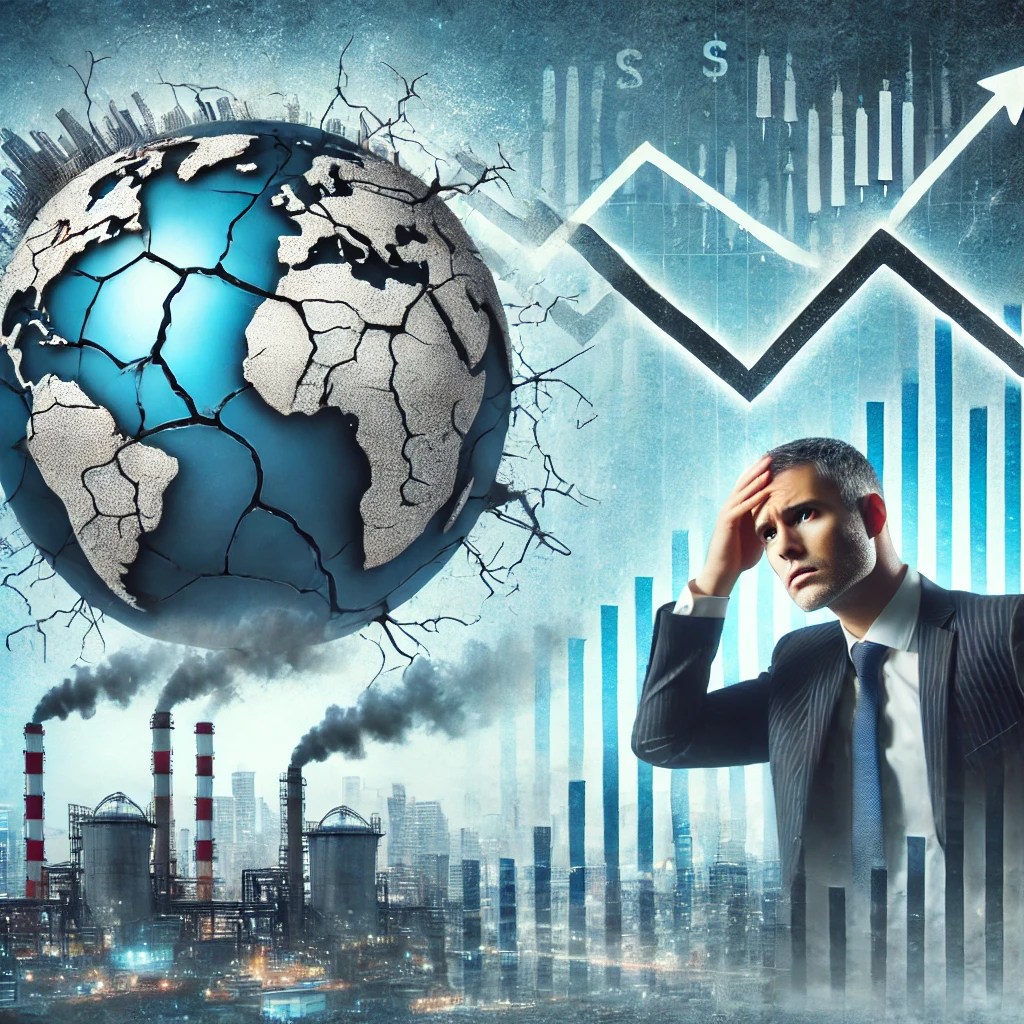
The global economy is currently experiencing a slowdown, raising concerns across industries, financial markets, and policymakers. A combination of factors has contributed to this deceleration, affecting businesses and individuals worldwide. In this article, we will explore the key causes, impacts, and possible solutions to navigate through this challenging economic phase.
Understanding the Causes of Economic Slowdown
Several interconnected factors contribute to a global economic slowdown:
1. Inflation and Interest Rate Hikes
High inflation has forced central banks, such as the Federal Reserve and the European Central Bank, to raise interest rates. While this measure is meant to control inflation, higher borrowing costs have reduced consumer spending and business investments, slowing economic growth.
2. Geopolitical Conflicts
Ongoing geopolitical tensions, including conflicts in Eastern Europe and trade disputes between major economies, have disrupted global supply chains. Sanctions, trade restrictions, and economic uncertainty have led to slower industrial output and increased volatility in markets.
3. Supply Chain Disruptions
The lingering effects of the COVID-19 pandemic, coupled with new geopolitical challenges, have caused bottlenecks in supply chains. Shortages of raw materials, semiconductor chips, and essential goods have increased production costs and slowed down economic activities.
4. Decline in Consumer and Business Confidence
When uncertainty looms, consumers and businesses tend to cut back on spending and investment. Concerns about job security, inflation, and potential recessions discourage economic activity, further contributing to the slowdown.
5. China’s Economic Struggles
China, a key player in global trade, has faced economic difficulties due to a slowing real estate sector, declining exports, and strict regulatory measures. A sluggish Chinese economy affects global demand and supply chains, impacting businesses worldwide.
Impact of Economic Slowdown
The effects of an economic slowdown are far-reaching and can impact various sectors:
1. Stock Market Volatility
Uncertainty leads to fluctuations in stock markets, affecting investor confidence and wealth accumulation. Many companies experience declining share prices, leading to reduced capital investments.
2. Job Losses and Unemployment
Businesses facing reduced revenues may resort to layoffs and hiring freezes, increasing unemployment rates. This, in turn, reduces consumer spending and worsens the slowdown.
3. Reduced Business Expansion
Companies delay expansion plans, reduce production, and limit research and development investments, leading to stagnation in economic growth.
4. Decline in Global Trade
As demand weakens, global trade volumes decrease, impacting exporters and importers alike. Supply chain disruptions further exacerbate trade imbalances.
The Way Forward: How to Navigate the Economic Slowdown
Despite the challenges, economies can take steps to mitigate the effects of a slowdown and foster recovery.
1. Monetary and Fiscal Policies
Governments and central banks must strike a balance between controlling inflation and supporting economic growth. Targeted fiscal stimulus, such as infrastructure spending and tax relief, can help boost demand and employment.
2. Diversification of Supply Chains
Reducing dependency on a single source or region for critical goods can help businesses mitigate future disruptions. Investment in local manufacturing and alternative trade partnerships can enhance resilience.
3. Encouraging Innovation and Digital Transformation
Businesses should invest in technology, automation, and digital solutions to improve efficiency and reduce operational costs, ensuring long-term sustainability.
4. Strengthening Workforce Development
Upskilling and reskilling workers to meet evolving job demands can reduce unemployment and create new economic opportunities.
5. Global Cooperation and Policy Coordination
International collaboration among governments, financial institutions, and trade organizations can help stabilize economies and promote sustainable growth.
Conclusion
The global economic slowdown is a complex challenge with multiple contributing factors. While its impact is widespread, proactive policy measures, innovation, and cooperation can help mitigate the downturn and set the stage for future growth. Businesses, governments, and individuals must adapt and find strategic solutions to navigate this uncertain economic landscape successfully.
GlobalEconomy #EconomicSlowdown #FinancialCrisis #Recession #MarketTrends #StockMarket #Inflation #BusinessImpact #EconomicGrowth #TradeWar #SupplyChainCrisis #MonetaryPolicy #FinanceNews #GlobalTrade #EconomicRecovery
What are your thoughts on the current economic slowdown? Share your insights in the comments below!
 iNTELLIGENT iNDIAN
Leave a comment